At a Glance
This blog article compares the traditional paper-based method of documenting quality inspections with digital inspection reports. It also examines if the AR solution Twyn creates an alternative to paper-based inspection reports and explores the resulting implications for inspection workflows.
Requirements for inspection reports
Documenting inspection results is essential in quality inspection for traceability and transparency for different stakeholders, like suppliers. It records what was inspected, which deviations were found, and who performed the inspection. When reports follow a consistent structure, teams can also compare results over time and identify recurring defects or changes in inspection performance.
Inspection reports should be standardized, so they no longer require interpretation by the reader. Standardization can be achieved through inspection points, defined inspection steps, and guided workflows, which specify what, where, and how inspections should be conducted.
Why paper-based documentation reaches its limits
The reality of inspection reports is, however, that they often consist of paper-based, non-digitized documents, which has several drawbacks:
- it can lead to transcription errors due to poor legibility,
- risk of losing documents or damaging them,
- difficult for teams to collaborate quickly and from any location because data is not immediately available.
But the biggest challenge is not only the paper itself, it’s the gap between performing an inspection and turning its findings into structured, actionable information. Assessment and data collection processesare also influenced by employees’ individual documentation processes. As a result, much of the collected data and consequently the quality documentation is not always consistent.
But how can quality inspection documentation be made more accurate and standardized?
Twyn: The digital AR alternative to paper-based inspection?
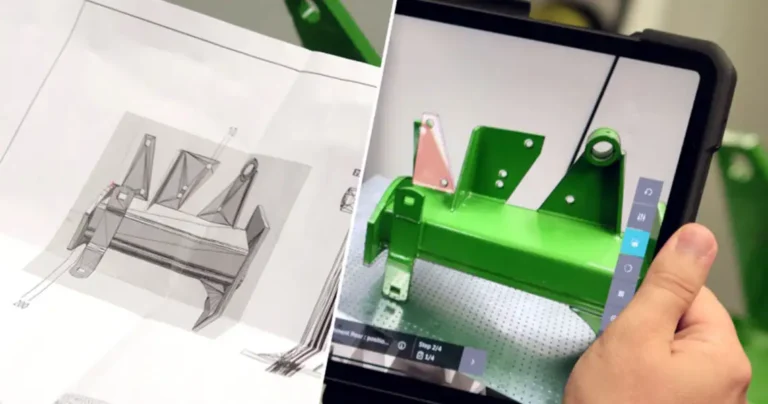
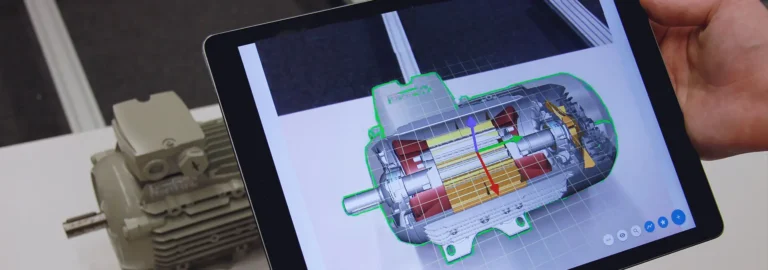
To overcome the drawbacks of paper-based documentation, quality control procedures can be digitalized and made accessible on mobile devices. Our AR software Twyn enables mobile, digital inspections on an iPad by comparing CAD models with physical components and identifying deviations between the target and actual condition.
Twyn’s digital documentation offers several advantages:
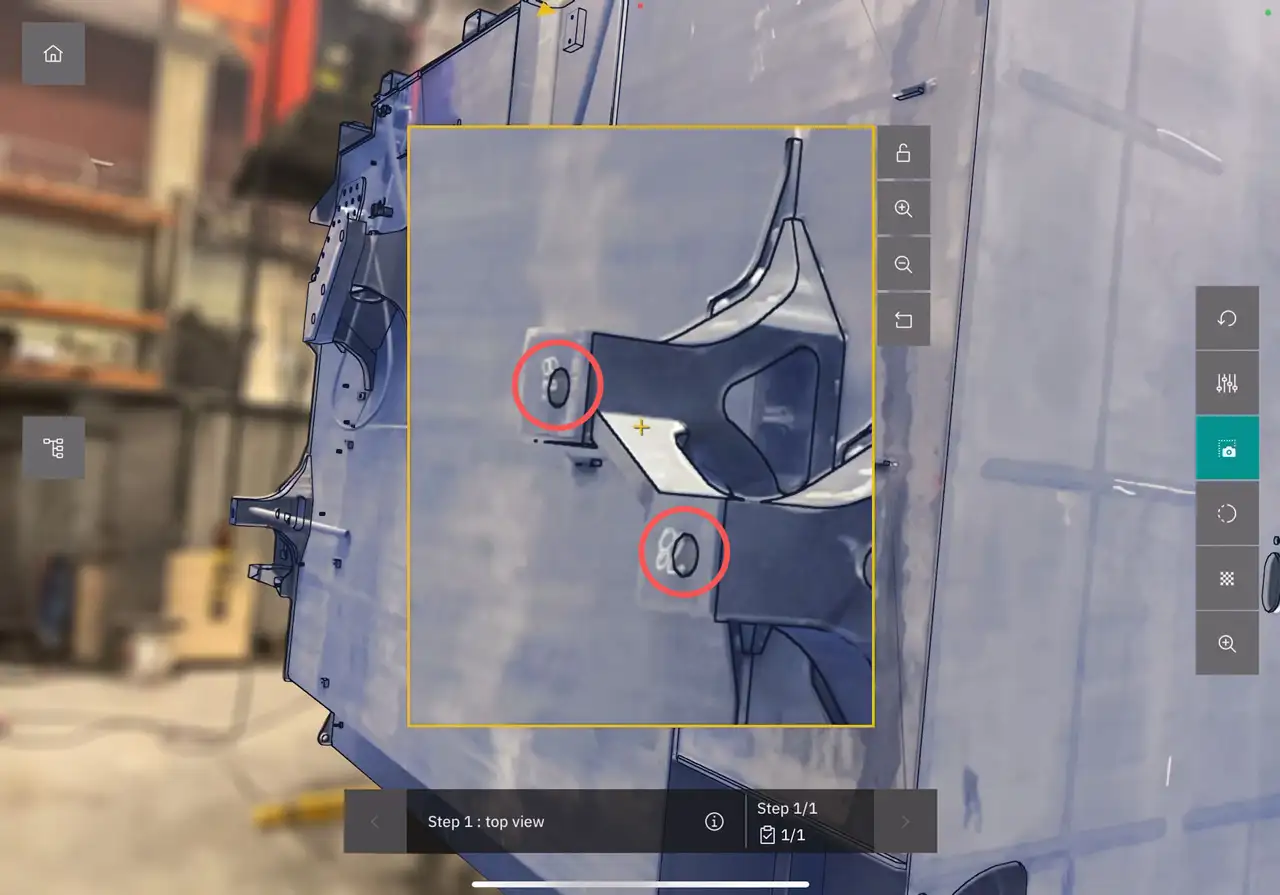
- Instant documentation: Creation of a digital inspection report in real-time during the inspection without further ado nor the necessity for manual transfer.
- Camera-based functionality: Users can compare the actual state with the planned state of a component. Then they can take pictures of relevant features and add remarks, supporting a more comprehensive, transparent documentation and reporting.
- Twyn offers different features to optimize the inspection workflow, like the lens tool that magnifies specific areas, enabling detailed inspection of small features and hard-to-reach areas.
- Standardized inspection reports, because inspection points, defined inspection steps, and guided workflows specify how inspections should be performed. This ensures that the inspection reports are reproducible.
- Traceability of inspection results which improves communication and coordination between quality, engineering, and production.
Exporting Inspection Reports
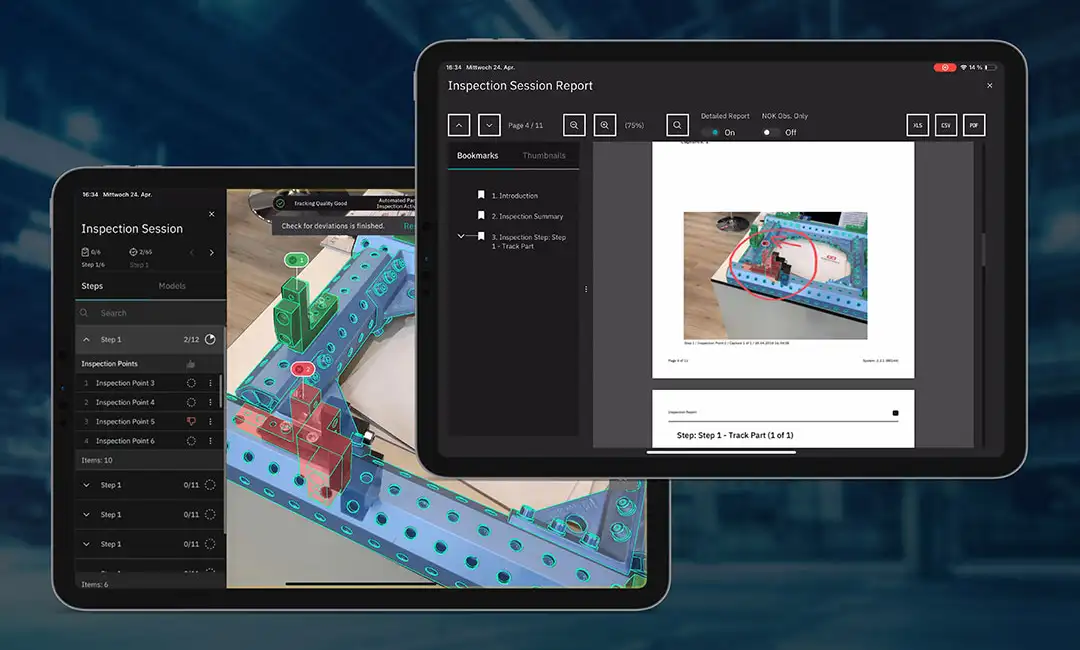
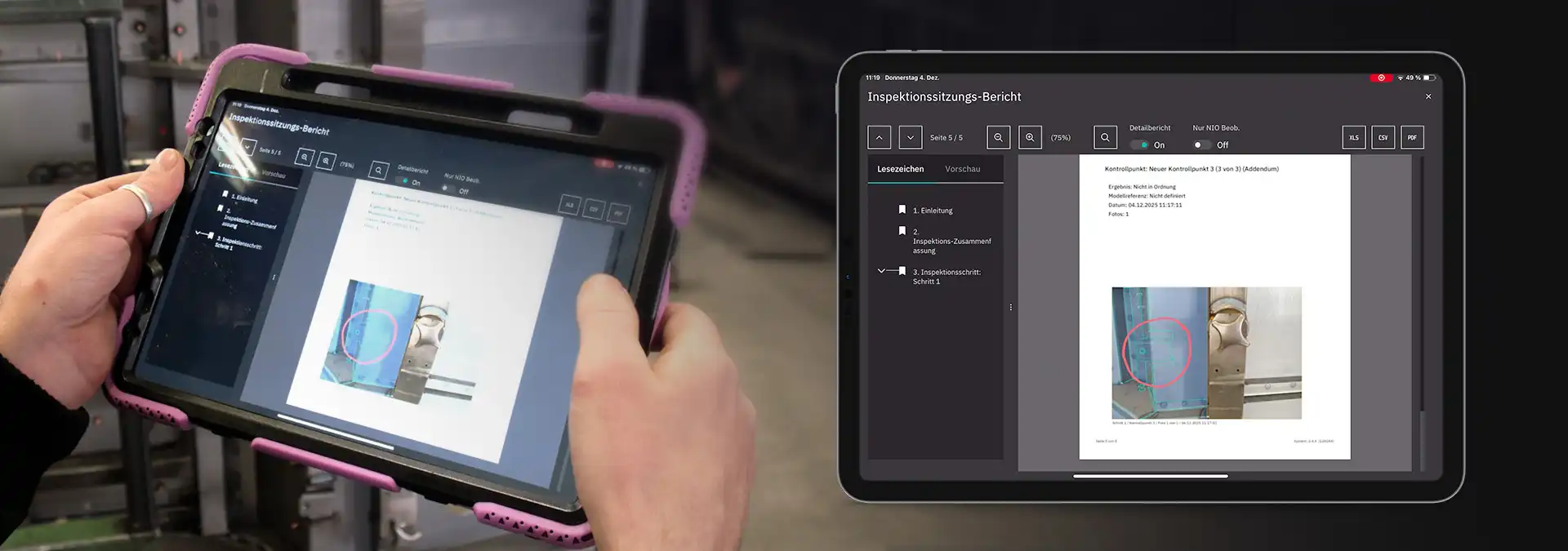
Twyn’s digital inspection reports not only provide clear summaries of inspection results but can also be customized to meet a company’s specific requirements – for example, by adding the company logo.
The report also contains the names of the author and inspector, as well as the observations recorded during the inspection session. Once the inspection has been completed, the related final report can be accessed in Twyn View.
Furthermore, the report can be exported and forwarded to quality and production teams or suppliers, ensuring transparent communication across departments and organizations.
Twyn supports the following formats for sharing the inspection report:
- PDF,
- Excel/CSV,
- Sharing via email, Microsoft Teams, or an integrated cloud service.
The different formats offer various advantages: a PDF format can be shared with everyone because almost any device can open PDFs and the document always looks exactly the same. Additionally, PDFs can be password-protected or digitally signed. Despite their high quality, PDF files can be highly compressed. Excel/CSV is also very useful because it is machine-readable and suitable for further and sometimes automated analysis.The file formats have been deliberately chosen so that they can be imported back into PLM/PDM systems.
Conclusion
Over time, paper-based documentation is being phased out due to its drawbacks and replaced by digital inspection reports. The digital inspection reports created with Twyn make it possible to share information about incorrect or missing components quickly and easily. This results in a transparent, standardized quality inspection process while also improving communication and saving time across departments.
Key Takeaways from this blog article:
- Paper-based inspection reports make it difficult for teams to collaborate quickly and from any location because data is not immediately available.
- A digital inspection report makes inspection results traceable and standardizes their format within an organization.
- Inspection reports generated with Twyn support consistent documentation.
Overall, Twyn’s digital inspection reports help companies align their quality processes, and create a digital inspection workflow.